
The Hidden Risks of Inefficient Ticketing Systems
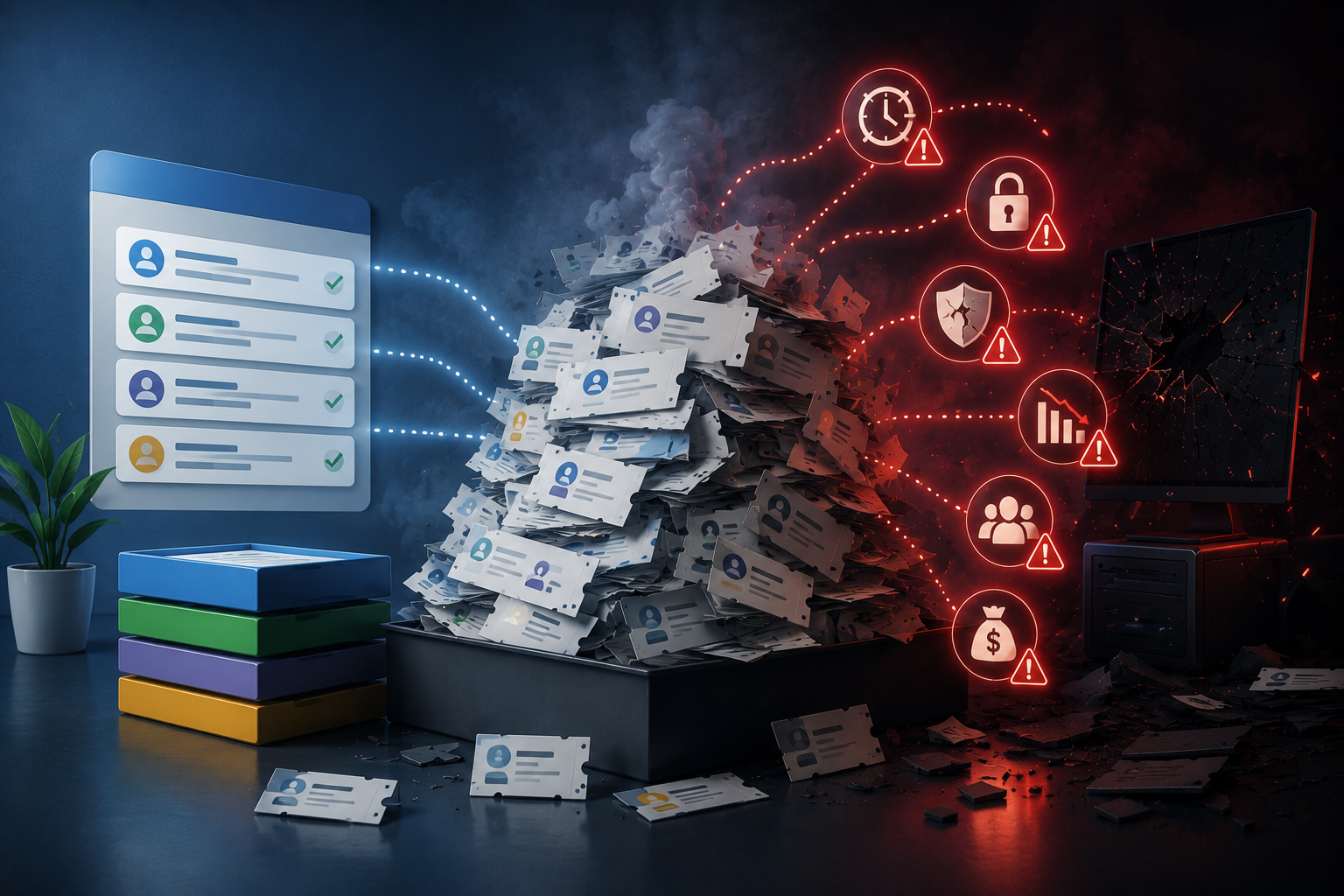
At first glance, ticketing system inefficiencies may seem like minor operational inconveniences. In reality, they can introduce serious risks that extend far beyond delayed responses and frustrated users.
One of the most overlooked risks is the impact on incident response. When a ticketing system is slow, confusing, or inconsistent, it delays the identification and resolution of critical issues. In the context of cybersecurity, even a small delay can mean the difference between containment and escalation. Missed alerts, misrouted tickets, or unclear ownership can all contribute to prolonged exposure.
Another major concern is the lack of accountability. When ticket ownership is unclear or constantly shifting, it becomes difficult to track responsibility. Issues fall through the cracks, and there is no clear audit trail to understand what went wrong. This not only affects operational efficiency but can also create compliance challenges in regulated environments.
Employee burnout is another hidden consequence. Support teams working within inefficient systems often face repetitive manual tasks, unclear processes, and constant firefighting. Over time, this leads to fatigue, decreased morale, and higher turnover. A burned-out team is more likely to make mistakes, further increasing organizational risk.
Data fragmentation also plays a role. Many ticketing systems operate in isolation, disconnected from other critical tools such as monitoring platforms or security systems. This lack of integration creates silos, making it harder to get a complete picture of what’s happening across the organization.
To mitigate these risks, organizations need to focus on integration and alignment. Ticketing systems should be connected with other operational and security tools to ensure seamless information flow. This enables faster detection, better context, and more effective response.
Clear ownership models are equally important. Every ticket should have a defined owner, along with escalation paths for unresolved issues. This ensures accountability and reduces the likelihood of tasks being overlooked.
Automation can also reduce risk by minimizing human error. Automated alerts, predefined workflows, and consistent response protocols help ensure that critical issues are handled quickly and correctly.
Finally, organizations should prioritize user experience. A system that is easy to use encourages proper adoption and reduces the likelihood of errors or workarounds that bypass established processes.
Inefficient ticketing systems are not just a nuisance, they are a risk multiplier. Addressing these challenges is essential for maintaining both operational efficiency and security resilience.
How CyberGrade Can Help
We specialize in helping organizations navigate the complexities of remote work security. Our vendor-agnostic approach allows us to assess your unique needs and recommend tailored solutions to mitigate cybersecurity risks effectively