
The Hidden Security Risks of Delayed Patch Management
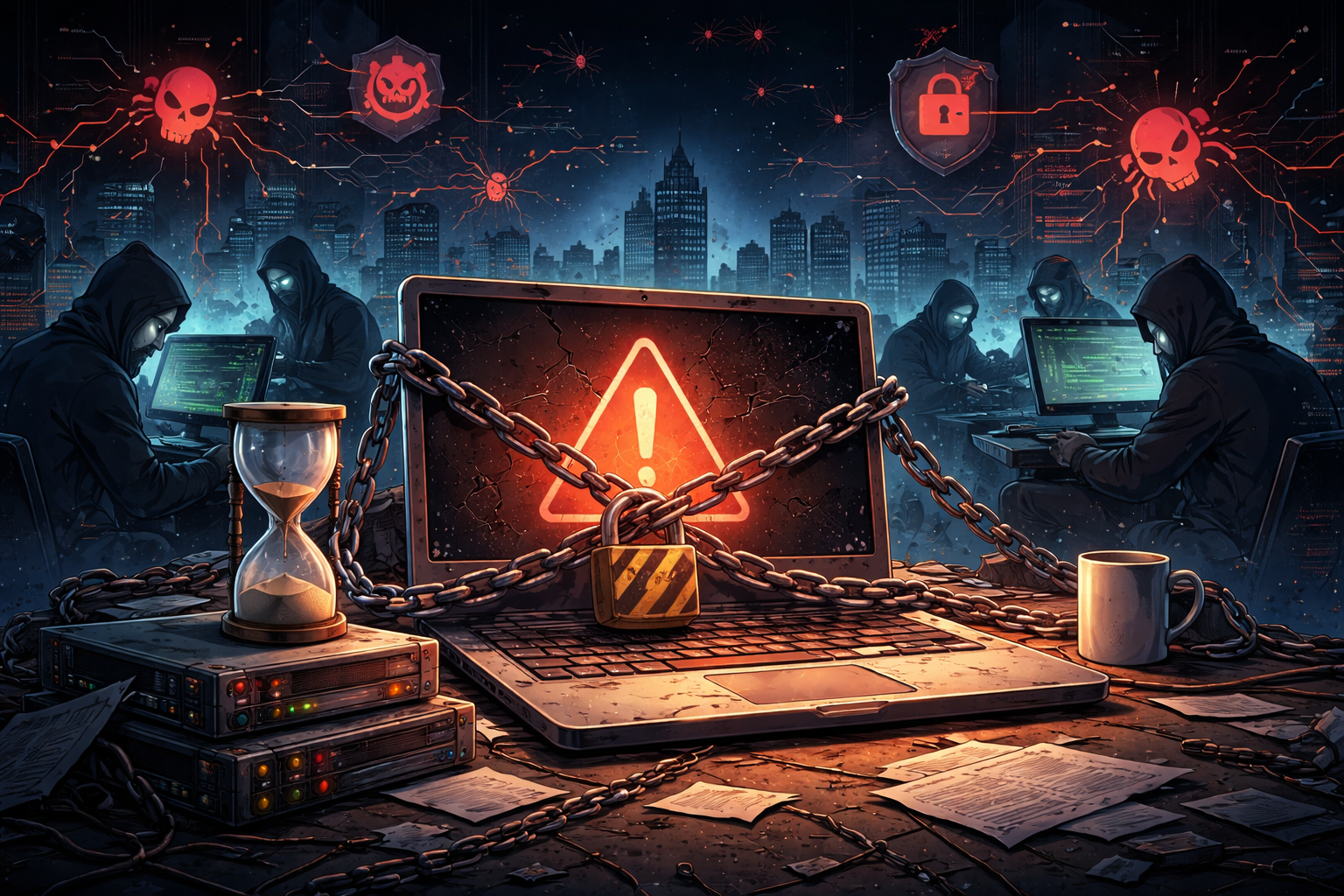
In today’s hybrid and remote work environments, patch management has become significantly more complex. Organizations rely on a growing number of endpoints, laptops, servers, mobile devices, and remote desktops,to maintain productivity. However, each of these devices requires frequent updates to fix vulnerabilities and maintain security. When patches are delayed or inconsistently applied, organizations can unknowingly create opportunities for attackers.
Many security incidents begin with the exploitation of known vulnerabilities. Once a vulnerability is disclosed, attackers quickly begin developing exploits to take advantage of systems that have not yet been updated. In some cases, the window between vulnerability disclosure and active exploitation can be only a few days. If organizations lack visibility into which systems are patched and which are not, the risk increases significantly.
The challenge often lies in the operational realities of patching. Devices may be off-network for extended periods, employees may postpone updates to avoid interruptions, and IT teams may struggle to test patches before deployment. In distributed environments, maintaining consistent patch policies across every endpoint can be extremely difficult.
Another common challenge is prioritization. Not every patch carries the same level of urgency, yet organizations frequently face hundreds of updates across operating systems, applications, and firmware. Without a clear strategy for identifying and prioritizing critical vulnerabilities, important updates may remain unaddressed while less critical ones consume valuable IT resources.
Remote monitoring and management capabilities can play an important role in addressing these challenges. Centralized monitoring allows organizations to maintain visibility into the patch status of devices across their environment. Automated deployment tools can help ensure updates are applied consistently while reducing the administrative burden on IT teams. Additionally, vulnerability intelligence can help organizations focus on the updates that present the greatest security risk.
However, patch management is not simply a technical process—it requires governance and strategy. Establishing clear patching policies, defining acceptable timelines for critical updates, and ensuring accountability across IT teams can significantly reduce exposure to known vulnerabilities.
As organizations continue to expand their digital environments, patch management must be treated as a core component of cybersecurity strategy rather than a routine maintenance task. By improving visibility, automation, and prioritization, organizations can significantly reduce the attack surface created by unpatched systems.
How CyberGrade Can Help
We specialize in helping organizations navigate the complexities of remote work security. Our vendor-agnostic approach allows us to assess your unique needs and recommend tailored solutions to mitigate cybersecurity risks effectively.