
The Human Factor: Why Email Security Alone Isn’t Enough
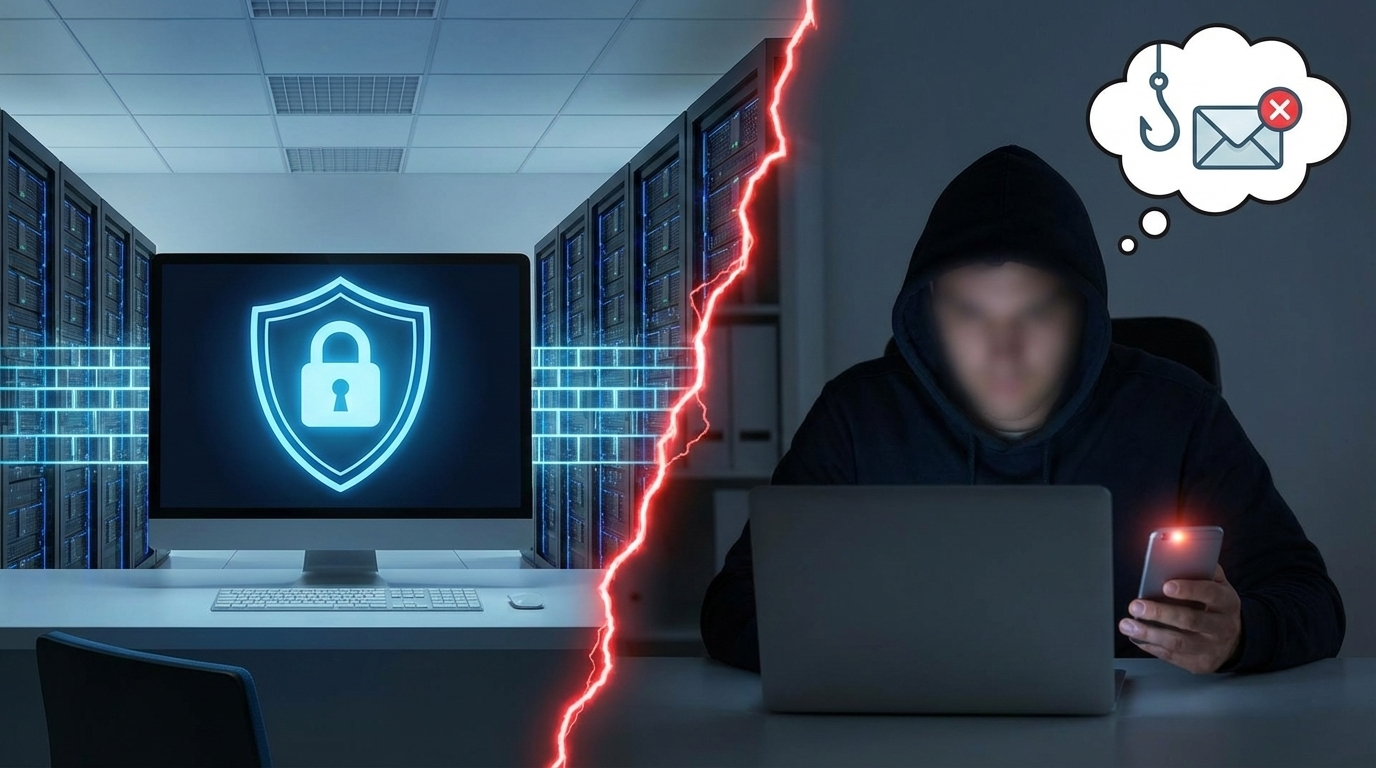
Email gateways are essential for defending against social engineering attacks, but they are only one piece of the puzzle. Human error remains the leading cause of breaches, with attackers constantly leveraging psychological manipulation to trick employees into revealing sensitive information.
A successful phishing attack often bypasses even the most sophisticated email filters, relying on the user to click a link or open an attachment. For this reason, organizations must adopt a dual approach: technical controls through email gateways and behavioral safeguards through security awareness. Employee education, combined with simulated phishing exercises, helps staff recognize common red flags, such as urgent requests, unfamiliar senders, or inconsistencies in messaging.
Email gateways themselves provide valuable insights into potential risks. Suspicious emails flagged by the system can be used to educate employees, turning near-misses into learning opportunities. Furthermore, gateway analytics can identify patterns in attack attempts, helping organizations refine policies and detection rules proactively.
Mitigation Strategies:
Integrate employee awareness programs with technical email protections.
Conduct regular phishing simulations and provide actionable feedback.
Utilize reporting mechanisms that allow employees to flag suspicious emails easily.
Periodically review and update email gateway configurations to respond to evolving threats.
Combining technical and human defenses creates a robust barrier against social engineering. While no solution can guarantee 100% protection, this layered strategy significantly reduces risk.
How CyberGrade Can Help
We specialize in helping organizations navigate the complexities of remote work security. Our vendor-agnostic approach allows us to assess your unique needs and recommend tailored solutions to mitigate cybersecurity risks effectively.