
The Role of SIEM in Compliance and Risk Management
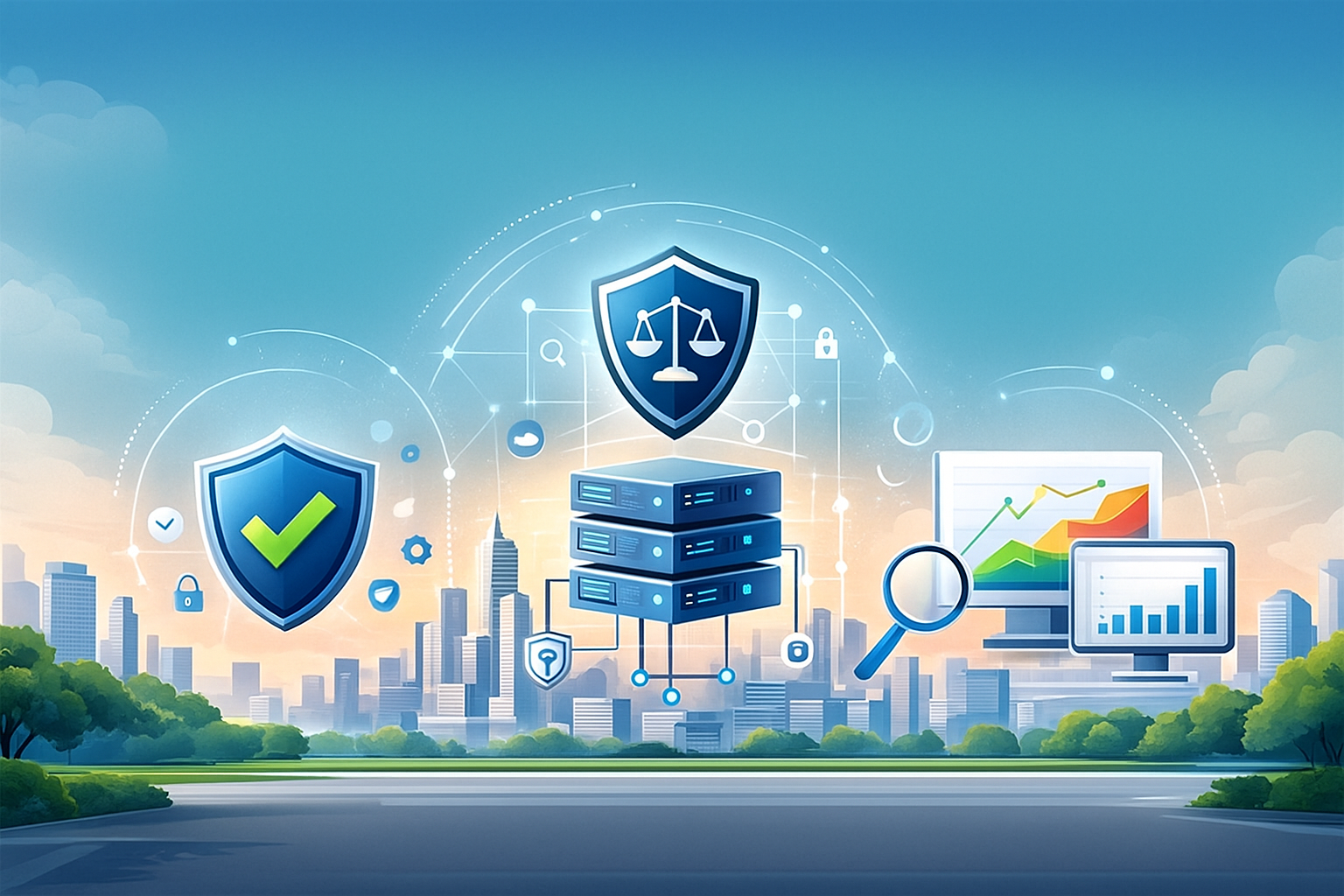
Compliance requirements—such as PCI-DSS, HIPAA, or GDPR—make SIEM platforms essential tools for many organizations. By collecting, normalizing, and analyzing logs, SIEMs provide visibility into security activity and help maintain audit-ready records.
Yet, challenges exist. Misconfigured logging or incomplete coverage can create gaps, risking penalties or operational disruptions. Organizations may also struggle to prioritize risk, focusing on low-impact alerts while overlooking critical vulnerabilities.
Mitigation begins with mapping regulatory requirements to SIEM configurations. Ensuring all critical systems are monitored and logs retained properly supports compliance and provides actionable insight. Automated reporting can simplify audits and provide clear visibility into security posture.
Regular reviews of SIEM rules and reporting processes are essential. Compliance standards evolve, and maintaining alignment ensures that organizations proactively manage threats while reducing exposure to penalties and breaches.
A well-managed SIEM not only supports compliance but also strengthens overall security. Organizations gain dual benefits: meeting regulatory obligations while actively reducing risk through real-time monitoring and actionable intelligence.
How CyberGrade Can Help
We specialize in helping organizations navigate the complexities of remote work security. Our vendor-agnostic approach allows us to assess your unique needs and recommend tailored solutions to mitigate cybersecurity risks effectively.