
Why Ticketing Systems Break Down and Why It Matters
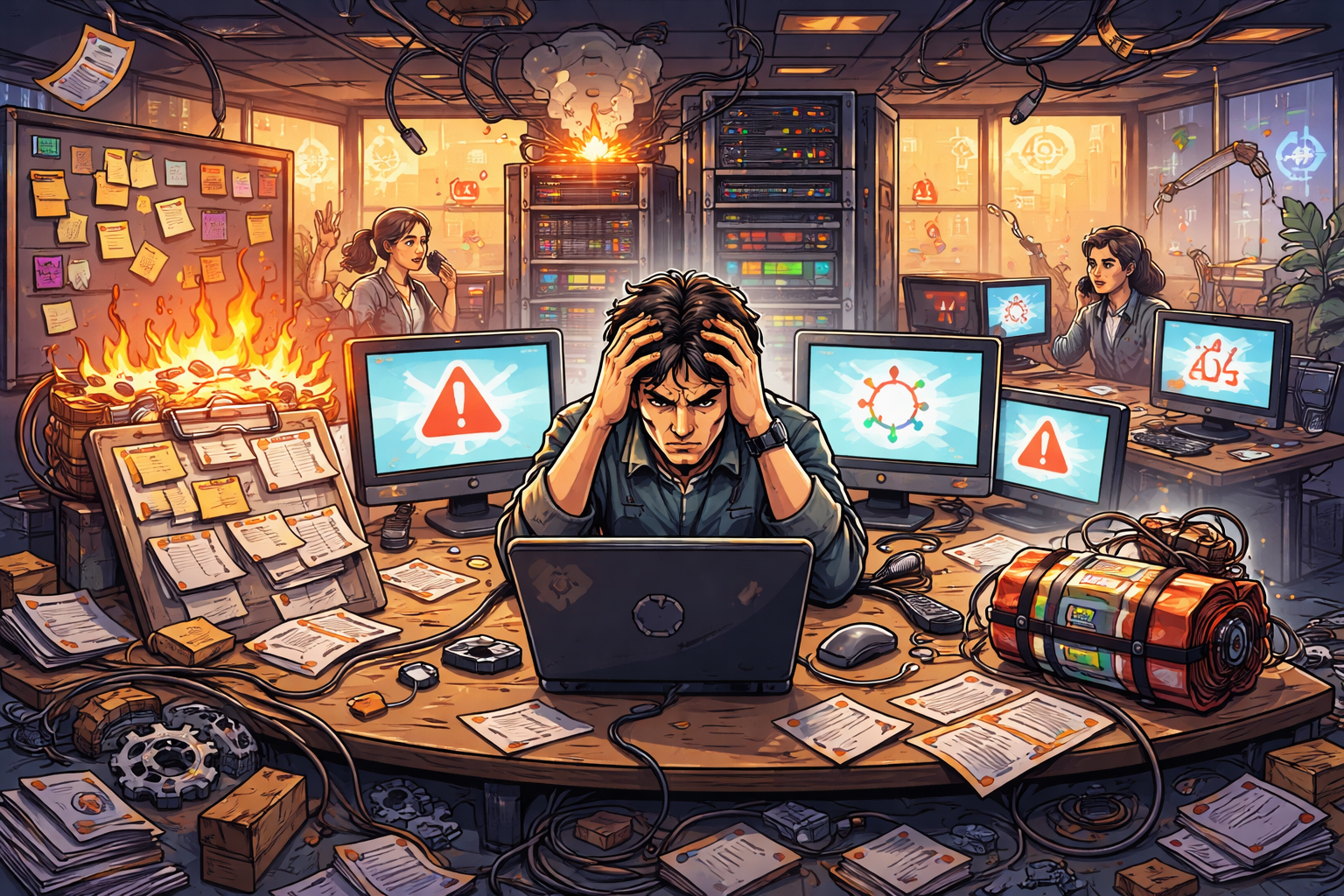
Ticketing systems are supposed to bring order to chaos. They promise structure, visibility, and accountability for handling requests, incidents, and service workflows. Yet in practice, many organizations find their ticketing systems becoming a source of frustration rather than clarity.
One of the biggest issues is complexity. Over time, ticketing systems tend to accumulate layers of categories, workflows, and rules. What starts as a simple tool evolves into something bloated and difficult to navigate. Users struggle to submit tickets correctly, while support teams spend unnecessary time reclassifying and rerouting requests. This leads to delays, miscommunication, and inefficiency.
Another key problem is poor prioritization. Not all tickets are equal, yet many systems fail to distinguish between urgent issues and minor requests effectively. Without clear prioritization frameworks, critical incidents can get buried, increasing downtime and operational risk. This is particularly dangerous in environments where security or uptime is essential.
Lack of visibility is also a recurring challenge. Users often feel like their requests disappear into a “black hole,” while support teams lack clear insights into workload, bottlenecks, and performance metrics. This disconnect erodes trust and makes it harder to improve processes over time.
These issues matter because they directly impact productivity and risk management. A poorly functioning ticketing system slows down response times, increases employee frustration, and can even expose organizations to security vulnerabilities if incidents are not handled promptly.
Mitigating these challenges starts with simplification. Streamlining categories, reducing unnecessary workflows, and designing with the end user in mind can dramatically improve usability. Clear prioritization models should be implemented to ensure that critical issues receive immediate attention.
Automation also plays a crucial role. Intelligent routing, auto-classification, and predefined response templates can reduce manual effort and improve consistency. At the same time, organizations should invest in reporting and dashboards that provide real-time visibility into ticket status and team performance.
Finally, continuous review is essential. Ticketing systems should evolve based on actual usage patterns and feedback, not assumptions. Regular audits can identify inefficiencies and ensure the system remains aligned with organizational needs.
A well-functioning ticketing system is not just a support tool—it’s a critical component of operational resilience. Getting it right can significantly improve both efficiency and security posture.
How CyberGrade Can Help
We specialize in helping organizations navigate the complexities of remote work security. Our vendor-agnostic approach allows us to assess your unique needs and recommend tailored solutions to mitigate cybersecurity risks effectively