
Zero Trust Isn’t a Product. It’s a Strategy
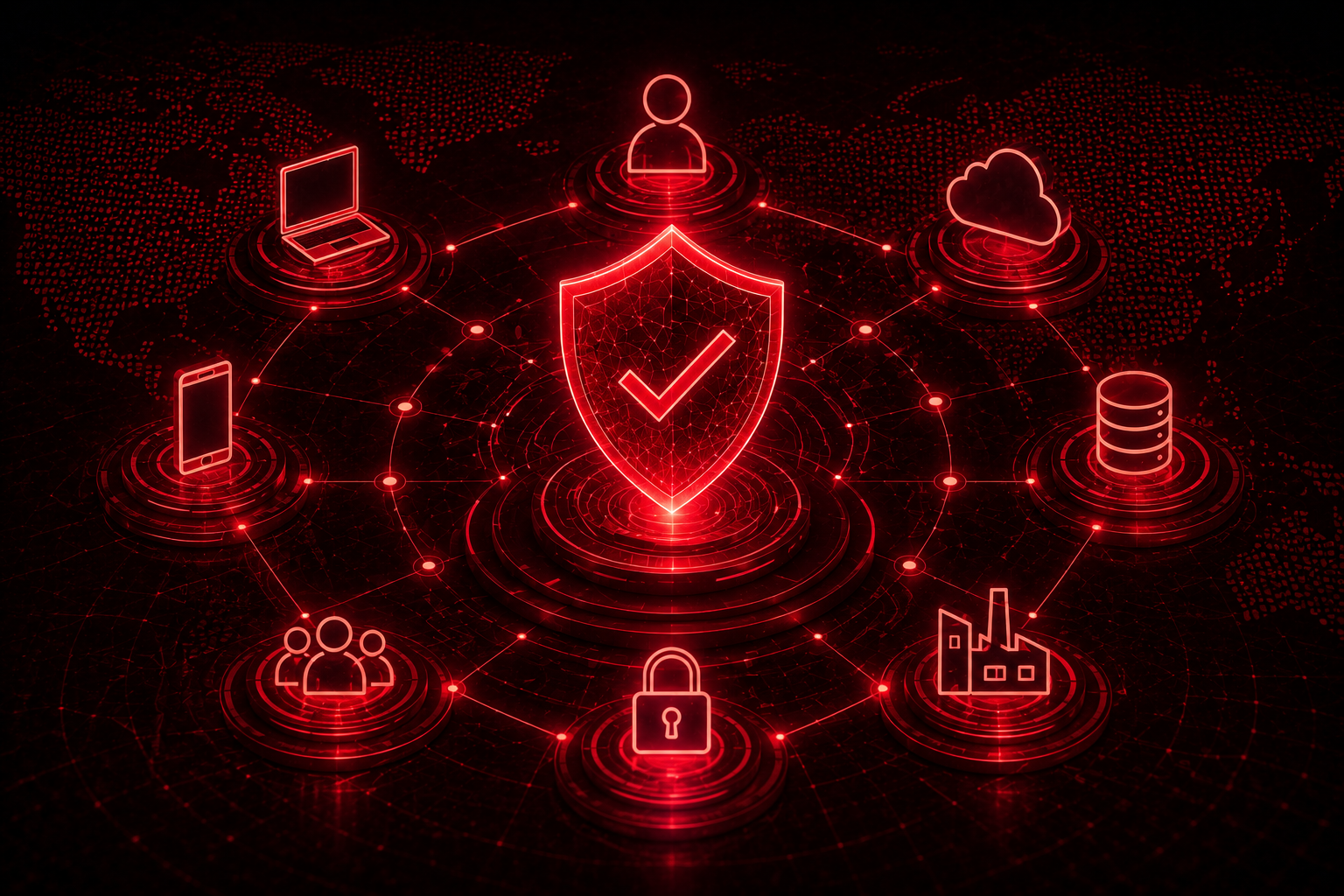
Zero Trust has become one of the most talked-about concepts in cybersecurity, yet it is also one of the most misunderstood. Many organizations approach Zero Trust as something they can purchase and deploy quickly. In reality, Zero Trust is not a single solution, it’s a strategic shift in how security is designed, implemented, and maintained.
At its core, Zero Trust is based on a simple principle: never trust, always verify. Traditional security models assumed that anything inside the network perimeter could be trusted. However, with the rise of cloud services, remote work, and sophisticated threats, that assumption no longer holds true. Attackers who gain access to a network can often move laterally with little resistance.
One of the biggest challenges organizations face is treating Zero Trust as a checkbox initiative. They may deploy new tools but fail to align them with the broader principles of identity verification, least-privilege access, and continuous monitoring. This results in a fragmented approach that delivers limited value.
Another issue is the lack of visibility. Without clear insight into users, devices, and application access, it becomes nearly impossible to enforce Zero Trust policies effectively. Organizations often struggle to understand who is accessing what, from where, and under what conditions.
To mitigate these challenges, organizations need to start with identity. Every user and device should be authenticated and validated before access is granted. This includes implementing strong authentication methods and continuously verifying trust throughout a session.
Least-privilege access is another critical component. Users should only have access to the resources they need, nothing more. This minimizes the potential damage if credentials are compromised.
Segmentation also plays a key role. By breaking down networks into smaller, isolated segments, organizations can prevent attackers from moving freely across systems. Even if one area is compromised, the impact is contained.
Finally, continuous monitoring and analytics are essential. Security is no longer a one-time decision but an ongoing process. Real-time insights allow organizations to detect anomalies and respond quickly to potential threats.
Zero Trust is not about deploying a single tool, it’s about building a security framework that adapts to modern risks. Organizations that embrace this mindset are better positioned to protect their data, users, and systems in an increasingly complex digital environment.
How CyberGrade Can Help
We specialize in helping organizations navigate the complexities of remote work security. Our vendor-agnostic approach allows us to assess your unique needs and recommend tailored solutions to mitigate cybersecurity risks effectively